Article Overview
Wavelength Division Multiplexing (WDM) increases fiber-optic transmission capacity by sending multiple data channels simultaneously over a single fiber, each using a distinct wavelength of light.
Working Principle
WDM operates by multiplexing multiple optical signals of different wavelengths onto a single optical fiber. Each data stream is first converted into pulses of laser light, with a unique wavelength assigned to each stream. At the transmitter, a multiplexer combines these signals into one composite beam, which travels through the fiber without interference because different wavelengths do not overlap. At the receiver, a demultiplexer separates the combined signal back into individual wavelengths, directing each to its corresponding receiver ( ). This principle allows bidirectional communication over a single fiber strand and supports optical add-drop multiplexing, where specific channels can be inserted or removed without affecting others ( ).
Key Characteristics
- High Capacity: WDM significantly increases the total data rate by combining multiple channels, each operating at moderate speeds (e.g., 10 Gbit/s or 100 Gbit/s), avoiding the limitations of single high-speed channels ( ).
- Wavelength Separation: Each channel uses a distinct wavelength, preventing interference and enabling simultaneous transmission ( ).
- Scalability: Additional channels can be added to existing fibers without laying new cables, making WDM cost-effective for network expansion ( ).
- Types of WDM:
- Coarse WDM (CWDM): Uses fewer channels with wider spacing (typically 20 nm), suitable for short-distance and metropolitan networks; it is energy-efficient and less expensive ( ).
- Dense WDM (DWDM): Uses many closely spaced channels, ideal for long-haul, high-capacity networks like internet backbones ( ).
- Flexibility: WDM supports optical amplification and add-drop multiplexers, allowing selective channel management and efficient use of fiber infrastructure ( ).
- Compatibility: WDM can coexist with existing fiber systems, enabling gradual upgrades without replacing the entire network ( ).
Applications
WDM is widely used in telecommunications, internet backbones, metropolitan area networks, and enterprise networks, where high bandwidth and efficient fiber utilization are critical ( ). It also supports fiber-optic sensor networks and other specialized optical communication systems. In summary, WDM leverages the independent propagation of different light wavelengths to maximize fiber capacity, offering high-speed, scalable, and flexible optical communication solutions.
Wavelength Division Multiplexing: A Comprehensive Guide
Discover the comprehensive guide to Wavelength Division Multiplexing, its role in optical properties, and its
Wavelength Division Multiplexing (WDM) | Springer Nature Link
Section 10.1 addresses the operating principles of WDM, examines the functions of a generic WDM link, and discusses
Wavelength-Division Multiplexing
Wavelength-division multiplexing (WDM) is defined as a technology that multiplexes multiple optical carrier signals onto an optical
Wavelength Division Multiplexers (WDM)
Wavelength Division Multiplexing (WDM) is a technique in fiber-optic communication systems that enables multiple optical signals
Wavelength Division Multiplexing (WDM) | Springer Nature Link
Wavelength division multiplexing or WDM allows the combining of a number of independent information-carrying
WAVELENGTH-DIVISION MULTIPLEXING OPTICAL NETWORKS
Whereas in the first optical communications networks, light was trans-mitted through the fiber using a single wavelength, WDM
A Review of WDM Technology and Applications
The rapid growth in demand for high-capacity telecommunication links, and the speed limitation of single-wavelength

Types of Multiplexing in Data Communications
3. Wavelength Division Multiplexing Wavelength Division Multiplexing (WDM) is a multiplexing technology used to
Wavelength-Division Multiplexing
Wavelength Division Multiplexing (WDM) is defined as a technology in optical networks that enables the transmission of multiple
What is Wavelength Division Multiplexing (WDM): A
Wavelength Division Multiplexing (WDM) stands out as a cornerstone, enabling multiple data
High-Performance Wavelength Division
Here, we develop a novel design approach that co-optimizes inverse-designed wavelength division multiplexers and distributed
Optically Multiplexed Systems: Wavelength Division Multiplexing
Historically, multiplexing had been used to share the limited bandwidth of the medium between different transmitters,
How Wavelength Division Multiplexing (WDM) Works
Each data stream is first converted into pulses of laser light, with each stream assigned a unique, precise wavelength,
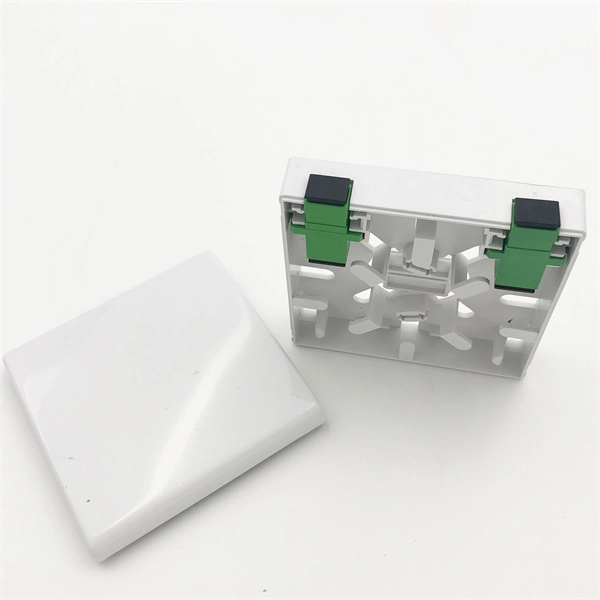
What is WDM? – How wavelength division multiplexing works
Wavelength division multiplexing (WDM) addresses this by allowing multiple data streams to be transmitted over a single optical
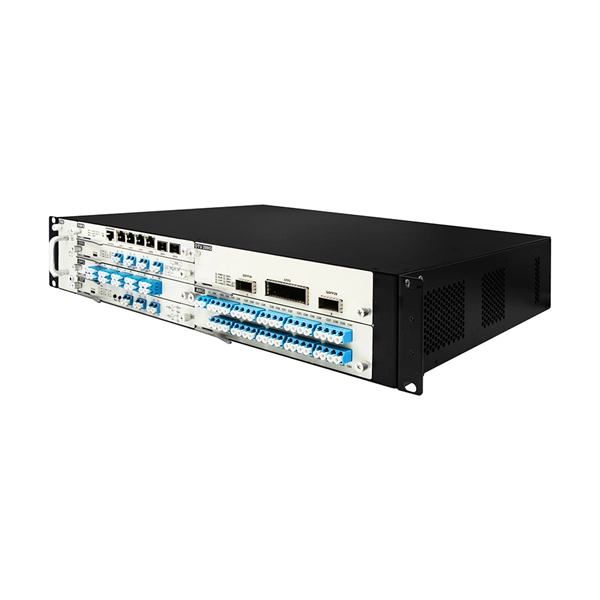
Wavelength-division multiplexing
In fiber-optic communications, wavelength-division multiplexing (WDM) is a technology which multiplexes a
WDM: Everything You Need to Know
WDM: Everything You Need to Know Wavelength Division Multiplexing (WDM) is a technology used in optical

Introduction To WDM | part of Wavelength Division Multiplexing: A
This introductory chapter of Wavelength Division Multiplexing: A Practical Engineering Guide traces the history of wavelength division
Working principle and application of wavelength division multiplexing
Application of wavelength division multiplexing technology WDM technology has been widely used in various
What is WDM : Wavelength Division Multiplexing Advantages and
Wavelength Division Multiplexing (WDM) is an optical communication technique that transmits multiple data channels through a
Introduction To WDM
Summary This introductory chapter of Wavelength Division Multiplexing: A Practical Engineering Guide traces the history of
Multiplexing – Definition – Types of Multiplexing: FDM, WDM, TDM
Therefore, the working principle of wavelength division multiplexing is similar to frequency division multiplexing. The only difference is
Wavelength Division Multiplexing
Wavelength division multiplexing (WDM) is a technology for increasing the transmission capacity of optical fiber communications by
Wavelength-Division Multiplexing
Wavelength-division multiplexing (WDM), increases the information-carrying capacity of a fiber by assigning multiple incoming optical
Working principle and application of wavelength division multiplexing
The wavelength division multiplexing technology adopts the Dense Wavelength Division Distributed Technology
What is Wavelength Division Multiplexing (WDM)?
Learn the basics of Wavelength Division Multiplexing (WDM), its mechanisms, key features like CWDM and DWDM,
What is Wavelength Division Multiplexing (WDM)? Definition, Working
WDM is an acronym used for Wavelength Division Multiplexing. It is a technique in which signals of different wavelength are
Optically Multiplexed Systems: Wavelength Division Multiplexing
way into maturing and providing the kind of precise work it does today. So, this chapter is dedicated for giving the readers a quick
Wavelength Division Multiplexing
Wavelength division multiplexing is a multiplexing technique working in the wavelength domain. It is
Wavelength Division Multiplexing (WDM)
Wavelength Division Multiplexing (WDM) Abstract Wavelength division multiplexing or WDM allows the combining of a number of
Wavelength-Division Multiplexing
Conclusion Wavelength Division Multiplexing is a multiplexing and multiple-access technology, used in fiber-optic transmission in
WAVELENGTH-DIVISION MULTIPLEXING OPTICAL NETWORKS
In WDM systems, incoming optical signals are assigned specific wavelength and then multiplexed onto tbe fiber. Moreover, such

What is Wavelength Division Multiplexing (WDM)?
Wavelength Division Multiplexing (WDM) is a technique in optical communication that allows multiple data signals to
WDM 101 | Optical Communications | Corning
A quick guide to the fundamentals of Wavelength Division Multiplexing in optical communications.
What is WDM or DWDM?
Wavelength Division Multiplexing (WDM) is a fiber-optic transmission technique that enables the use of multiple light wavelengths (or
WDM Basics: Understanding Wavelength Division Multiplexing
WDM (Wavelength Division Multiplexing) technology is an ideal solution to get more bandwidth and lower cost in
Wavelength Division Multiplexing
Wavelength division multiplexing (WDM) is a technique of multiplexing multiple optical carrier signals through a single optical fiber
Wavelength Division Multiplexing
Introduction Wavelength division multiplexing (WDM) has enabled a revolution in communications technology. This article describes

Understanding Wavelength Division Multiplexing (WDM)
Wavelength Division Multiplexing (WDM) Working and Applications Wavelength division multiplexing (WDM) is a technique
Related Resources
- Bahrain relay protection wavelength division multiplexing anti-tracking
- Single-mode single-fiber transceiver splitter
- How much attenuation does one kilometer of optical cable lose
- How to connect a fiber-to-electric converter to a switch
- Adss fiber optic cable sorting
- Are power plant relay protection systems reliable
- QSFP optical module brand
- Customized Stainless Steel Cable Trays in Madagascar
- Supplier of Plastic Fiber Optic Sensors
- How to Choose a 48-Chip Terminal Box from Finland