Article Overview
High-quality fiber optic connector endfaces require precise geometry, minimal defects, and strict cleanliness to ensure optimal optical performance and reliability.
Endface Geometry and Standards
Fiber optic connector endfaces must meet strict geometrical tolerances to minimize insertion loss (IL) and maximize return loss (RL). Key parameters include:
- Radius of Curvature: Ensures proper contact between fibers; tighter tolerances improve optical performance .
- Apex Offset: The distance between the fiber core's highest point and the optical axis; smaller offsets reduce signal reflection .
- Endface Angle: The angle between the fiber endface and the perpendicular to the optical axis; critical for APC connectors .
- Fiber Height (Protrusion/Undercut): Measured relative to a virtual sphere or plane; affects mating and IL . Standards governing these requirements include:
- IEC 61300-3-35: Defines pass/fail criteria for defects, scratches, and contamination across four concentric zones of the fiber endface, with Zone A (core) being the most critical .
- IEC 61755: Specifies geometry requirements for PC and APC connectors .
- GR-326-CORE: Telecordia standard for reliability and long-term performance .
- Aerospace Standard 5675 (AS 5675): Defines Grade A and B terminations with tighter tolerances for high-performance applications .
- IPC-8497: Provides inspection and cleaning criteria for optical interfaces .
Endface Defects and Cleanliness
Even minor contamination or defects can significantly degrade performance:
- Defects: Chips, pits, scratches, cracks, or embedded debris can increase IL and reduce RL .
- Contamination: Dust, oils, or residues from end caps or cleaning materials can block or scatter light .
- Zones: IEC 61300-3-35 divides the endface into four zones (A-D), with stricter limits for the core and cladding regions .
Inspection and Cleaning Practices
Proper inspection and cleaning are essential:
- Inspection Tools: Handheld microscopes, video scopes, and automated fiber inspection systems can detect defects and contamination. Automated systems provide consistent, repeatable results aligned with IEC standards .
- Magnification: Typically 200x–400x for single-mode connectors to clearly observe core and cladding defects .
- Cleaning Methods: Start with dry cleaning; if contamination persists, use wet-dry cleaning. Avoid reusing cleaning materials to prevent recontamination .
- Routine Checks: Inspect and clean every connector before mating, after patching, or when troubleshooting performance issues .
Practical Recommendations
- Inspect both ends of a patch cord or connector, as contamination on either side can cause loss or reflection .
- Use APC connectors for reduced reflection, but still maintain cleanliness to prevent IL degradation .
- Follow standardized inspection criteria to reduce operator subjectivity and ensure consistent network performance .
- Maintain proper storage and handling to prevent contamination from end caps, PVC materials, or environmental exposure . By adhering to these geometry, defect, and cleanliness requirements, fiber optic connectors can achieve reliable, high-performance optical transmission suitable for telecom, data centers, and high-speed networks.
Enhancing Fiber Optic Network Reliability: Embracing
Adherence to IEC 61300-3-35 standards is crucial for maintaining the quality and reliability
The FOA Reference For Fiber Optics
Fiber optic joints or terminations - where cables are terminated - are made two ways: 1) connectors that mate two fibers to create a
FIBER CONTAMINATION, CLEANING AND INSPECTION
data transmission rates over fiber networks. It is therefore critical that all optical connections be kept free of contamina With
Visual Inspection and Cleaning of Multimode and Single Mode
This document addresses inspection and cleaning issues by describing the impact of workmanship deficiencies in field assembly and
Fiber Endface Inspection – connectors, bare fiber ends,
It is an international standard that defines microscope requirements, inspection procedures, and
Automated Inspection of Defects in Optical Fiber Connector End Face
Increasing deployment of optical fiber networks and the need for reliable high bandwidth make the task of inspecting
Polishing Best Practices
After cleaving the air polish is required to remove sharp fiber stubs, otherwise the stubs can snap and break under the polishing
Endface Inspection for Fiber Connectors and Patch Cords
Learn how to inspect fiber connector endfaces using microscopes and IEC 61300-3-35
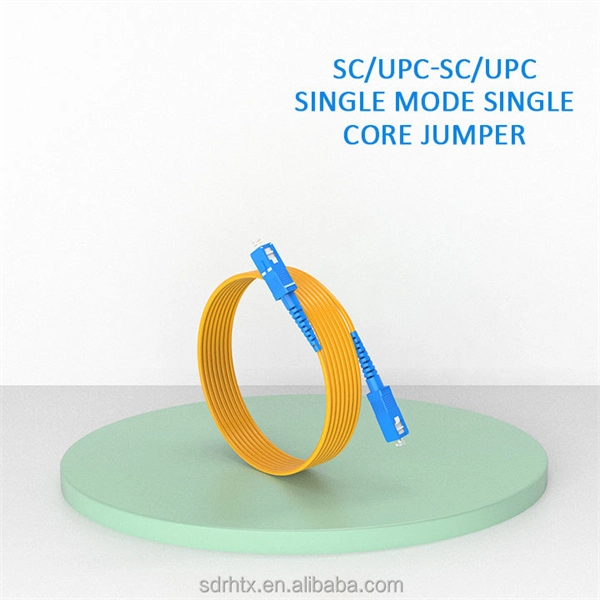
The Importance of Optical Fiber Connector End-Face
ptical fiber connectors are fundamental components in modern communication networks, ensuring reliable
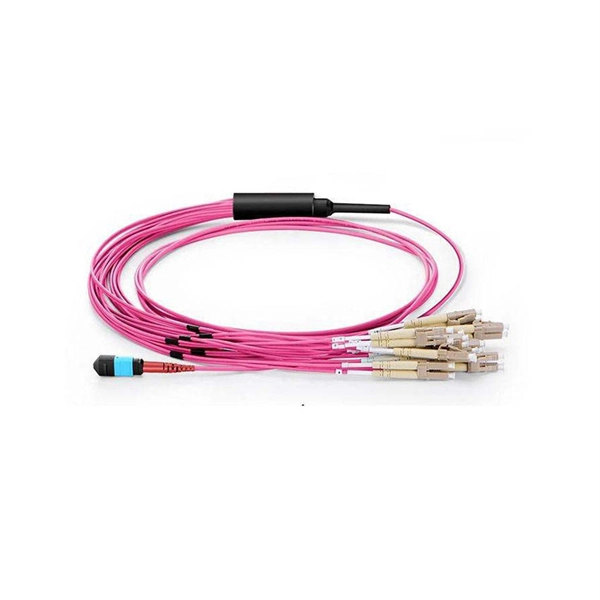
Microsoft Word
ULTRA TEC Mfg., Inc. Connectors play a key role in fiber optic communications. The finish of a polished connector''s end-face
Easier Fiber End Face Inspections: Key Changes to IEC 61300-3-35
It''s crucial to inspect, clean, and reinspect fiber end faces before mating connectors — whether on patch cords and
Connector Inspection and Maintenance
To properly inspect the connector end-face, it is recommended to use a microscope that is specially designed for the fiber-optic
How Clean Is Clean Enough? A Guide to Fiber End Face Inspection
Studies have shown that up to 95% of fiber optic link failures are associated with contaminated connector end faces.
The Best Fiber Performance Starts with End Face Inspection and
Every connector end face — whether field terminated or factory terminated — should always be inspected, and cleaned if necessary,
CommScope Technical Newsletter
In the effort to guarantee a common level of performance from the connector, the International Electrotechnical Commission (IEC)
Fiber Optic Connectors – Standards to Ensure Physi
Standards for Endface Geometry The endface of the fiber optic connector is required to be spherically polished, while the fabricated
Inspection and Cleaning Procedures for Fiber-Optic Connections
Introduction This document describes inspection and cleaning processes for fiber optic connections. It is important
Achieving IEC Standard Compliance for Fiber Optic Connector Quality
In the effort to guarantee a common level of performance from the connector, the International Electrotechnical Commission (IEC)
Ferrule Endface Geometry
In the fiber optic world, Endface Geometry is a widely accepted term that represents the geometry of polished fiber
Optical End Face Inspection Guidelines
This increased deployment of optical fiber networks, and the need for reliable high bandwidth makes the simple task of checking and
Achieving IEC Standard Compliance for Fiber Optic Connector Quality
The Standard contains pass/fail requirements for inspection and analysis of the end face of an optical connector, specifying separate
Importance of Fiber Optic Connector End-Face
These connectors are frequently used in fiber patch cords and pre-terminated cables, which
Fiber Optic Terminus End Face Quality Standards
Good fiber optic performance relies on connectors that are manufactured properly. Specifically, optimal optical performance requires
Easier Fiber End Face Inspections: Key Changes to IEC 61300-3-35
The fiber''s core, where the signal travels, has the most stringent requirements. IEC 61300-3-35:2015 graded fiber
White Paper: Fiber Contamination, Cleaning and
Fiber Contamination, Cleaning, and Inspection: An Introduction Contaminated Connections Cause
Fiber Inspection
IEC Standard 61300-3-35 is a global, common set of requirements for fiber optic connector end face quality designed to guarantee
Enhancing Fiber Optic Network Reliability: Embracing
Defines specific inspection criteria and procedures for evaluating the condition of fiber optic
Ferrule and endface Geometry
Ferrule Geometry and endface should not surprise anyone. Do you bear in mind the quality of each element even the smallest ones
IEC Fiber Connector Standards for Optical Networks
Overview of IEC fiber connector standards covering interface types, endface geometry, and performance requirements
Polishing Best Practices
What is fiber optic connector polishing? Fiber optic connector polishing is a very critical step after connectorization that utilizes an
Fiber Connector End-Face Inspection Requirements
Fiber Connector End-Face Inspection Requirements This project is being organized to develop requirements for an industry-wide
Related Resources
- Explanation of Fiber Optic Pressure Sensor
- How to open the side cabinet of a network server rack
- Customized Hot-Dip Galvanized Cable Trays in Yuanmou
- Why do ceramic ceramics need to have a core wire inserted
- How to install bus connector bolts
- Industry Applications of Fiber Optic Communication
- Join the QSFP28 optical module 200G franchise
- Trends in Fiber Optic Cable Enterprises
- Red-white-green-white optical fiber cable
- What is the optical module interface used for
- Haiti hot-dip galvanized cable tray wholesale
- Price of fiberglass cable trays in Chile
- Samoa Low Voltage Cable Tray Price
- How to connect the fiber optic base station patch cord