Article Overview
Direct sales of CPO and LPO are growing, driven by data center expansion, AI workloads, and the need for high-bandwidth, energy-efficient interconnects, though adoption is influenced by technical complexity and ecosystem maturity.
Market Overview
The co-packaged optics (CPO) market is projected to grow from USD 15 million in 2023 to USD 49 million by 2028, at a CAGR of 26.5%, fueled by investments in mega data centers, AI/ML workloads, and 5G network deployment . CPO integrates optical components directly with electronic components like processors and memory, offering higher bandwidth density and lower latency compared to traditional pluggable optics . Limited deployments are expected to expand significantly by 2028–2029, particularly for 1.6T and 3.2T interconnects in multi-rack AI clusters . Linear Pluggable Optics (LPO), introduced by Macom and NVIDIA in 2022, removes onboard digital signal processors (DSPs) and clock data recovery circuits, creating a purely analog linear direct-drive optical link. LPO modules consume 30–50% less power than traditional pluggable optics and are particularly suitable for closed-system environments . They are currently favored for 800G and higher-speed deployments, though they face challenges with insertion loss and signal integrity at higher SerDes speeds .
Technical and Deployment Considerations
- CPO Advantages: High bandwidth, low latency, and energy efficiency for large-scale AI and HPC clusters. Ideal for multi-rack interconnects where copper cabling becomes impractical .
- CPO Challenges: Complex fabrication, higher cost, reduced serviceability, and limited interoperability between vendors. Faulty ports embedded in the package are difficult to replace, impacting switch throughput .
- LPO Advantages: Lower power consumption, simpler analog design, and faster deployment in single-vendor or closed systems .
- LPO Challenges: Limited error correction, shorter transmission distance, and early-stage standardization, making multi-vendor deployment more difficult .
Market Drivers
- Expansion of mega data centers and AI/ML workloads requiring high-speed interconnects .
- Growth of 5G networks and ultra-high-definition video streaming, increasing demand for low-latency, high-bandwidth optical links .
- Focus on energy efficiency, as CPO and LPO reduce power consumption compared to traditional DSP-based pluggable optics .
Sales and Adoption Outlook
Direct sales of CPO and LPO are currently limited but expected to increase as technology matures. CPO adoption is likely to accelerate in large-scale AI clusters and HPC environments by 2028–2029, while LPO remains a competitive alternative for early deployments where power efficiency and analog simplicity are prioritized . Vendors and data center operators are evaluating both technologies based on cost, scalability, and ecosystem readiness, with CPO offering long-term advantages for ultra-high-speed interconnects and LPO providing near-term energy savings. In summary, direct sales of CPO and LPO are poised for growth, driven by AI, HPC, and 5G demands, but adoption depends on balancing technical complexity, cost, and ecosystem maturity.
Co-Packaged Optics (CPO) Technology: Market Evolution & 2034
Key demand drivers for Co-Packaged Optics (CPO) Technology stem from the insatiable appetite for data processing and
LightCounting :: A resurgence in CPO development
Co-Packaged Optics (CPO) may be the only option to provide for tens of thousands of high-speed interconnects in a 4-8 rack
AOCS, DACS, LINEAR DRIVE PLUGGABLE AND CO-PACKAGED OPTICS
Placing optics into one package with ASICs offers a solution for the future. This approach creates a new set of products known as Co
Lumentum''s CEO sees growing customer interest in co-packaged
Lumentum expects continued growth in ultra-high-power lasers for co-packaged optics, with a significant ramp scheduled for late
LightCounting :: December 2023 AOCs, DACs, Linear Drive
Placing on-board optics into one package with ASICs offers a solution for the future. This approach creates a new set of products
LPO vs CPO: Which Will Dominate the Data Center Optical
In the rapidly evolving landscape of data center optical interconnects, the competition between LPO (Laser Phased
Co-Packaged Optics (CPO) Market Size to Hit USD 1,055.11 Million
The global co-packaged optics (CPO) market size is evaluated at USD 95.04 million in 2025 and is predicted to hit
Co-Packaged Optics Market Size, Growth & Trends, 2031
Co-packaged optics market to grow from USD 161.43M in 2026 to USD 748.62M by 2031, driven by AI/ML bandwidth,
Silicon Photonics
The forecast is segmented by application: Ethernet, DWDM, Wireless Fronthaul/Backhaul, FTTx, and product
Five Key Trends of Co-Packaged Optics (CPO) in 2026
These pressures are driving renewed momentum behind co-packaged optics (CPO). According to LightCounting, sales
Co Packaged Optics Market Report: Size, Growth,
While Co Packaged Optics (CPO) technology is widely acknowledged as the
Silicon Photonics
This LightCounting market report contains material that is a confidential, privileged, company product for the sole use
LightCounting :: Home
LightCounting Product intelligence adds micro-level relevance to the macro context of our market analysis, bringing our clients real
Optics Primer, Part 3: Co-Packaged Optics (CPO)
Optics Primer, Part 3: Co-Packaged Optics (CPO) From EML lasers and DSPs to silicon photonics and external CW
Linear Pluggable Optics – Streamlining Data Center Efficiency
Unlike its predecessor, Co-Packaged Optics (CPO), which integrates optical components directly into the electrical
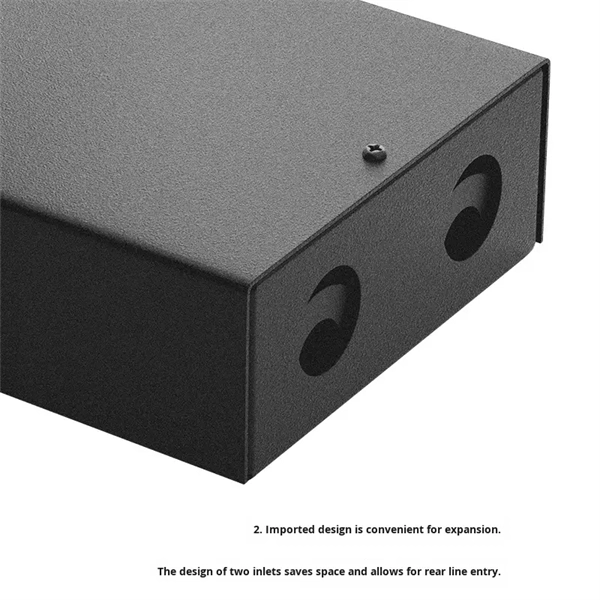
AI fuels optical transceiver and LPO/CPO demand
A new LightCounting report reveals that optical transceiver sales and the adoption of linear pluggable optics (LPO) and co-packaged
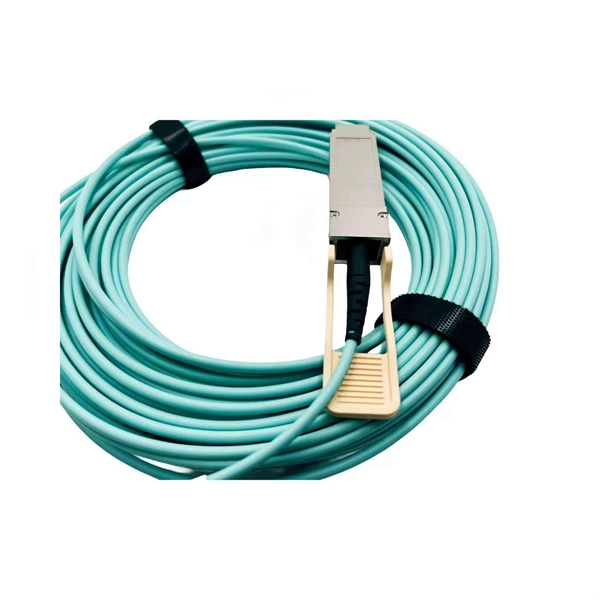
What is Co-packaged Optics?
Co-packaged optics is an approach that aims to address growing challenges around bandwidth density,
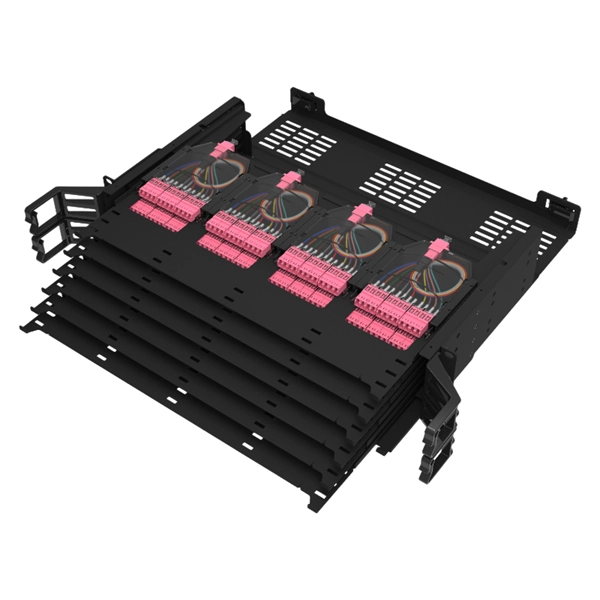
CPO and LPO Technical Analysis
CPO Co-Packaged Optics Technology CPO, short for Co-Packaged Optics, is a solution that integrates optical modules and switch
Microsoft Word
The forecast is segmented by main applications, including Ethernet, WDM, Wireless Fronthaul/Backhaul, Fibre Channel, FTTx,
Co-Packaged Optics (CPO): Rethinking Optical Interconnects for AI
When viewed together, pluggable optics, LPO, and CPO represent three distinct architectural approaches to high
LPO vs. CPO: Which Data Center Optical Interconnect Will Be the
Conclusion While Linear-drive Pluggable Optics (LPO) and Co-Packaged Optics (CPO) are emerging as future trends
Understanding Co-Packaged Optics: Revolutionizing Data Center
Co-packaged optics (CPO) represents a transformative approach in optical networking, where optical and electronic
Optical Interconnect Technology Analysis: LPO, NPO, CPO
Exploring optical interconnects for AI data centers: LPO for low-power, short-distance links, NPO for high-density,
Optics Primer, Part 3: Co-Packaged Optics (CPO)
The optical engine is the core of CPO; it converts between the optical and electrical domains. Since the OE is on
What is Co-Packaged Optics (CPO) Technology? | Corning
Learn about Co-Packaged Optics technology and how it revolutionizes data center design and will scale with the growth of AI.
HIGH SPEED CABLES, LINEAR DRIVE AND CO-PACKAGED OPTICS
Placing on-board optics into one package with ASICs offers a solution for the future. This approach creates a new set of products
All change for pluggable optics – report
The composition of pluggable optics is changing, according to LightCounting''s nineth edition of its Silicon Photonics
Co-Packaged Optics
This report aims to provide a comprehensive presentation of the global market for Co-Packaged Optics, focusing on the total sales
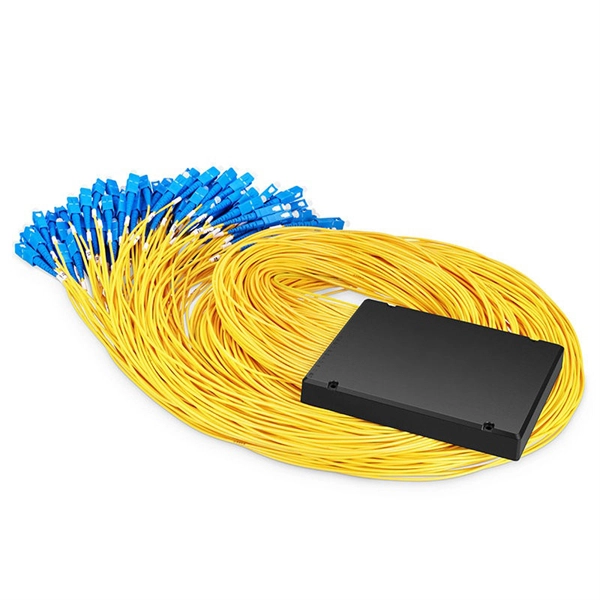
What Is Linear-Drive pluggable optics (LPO)? And What Are Its
The optical communication industry has developed rapidly in recent years. So, what is linear-drive pluggable optics?